
Every meal we eat is the result of a long journey, from the soil to the supermarket shelf to our plate. Most of us rarely think about that journey, yet each step shapes our environment, our health and our communities. Raising awareness about these connections is an important step towards building a more sustainable future. Through awareness-raising content, EU FOODPACT aims to encourage people to understand these challenges and make more responsible food choices.
Understanding Food Systems and Sustainability
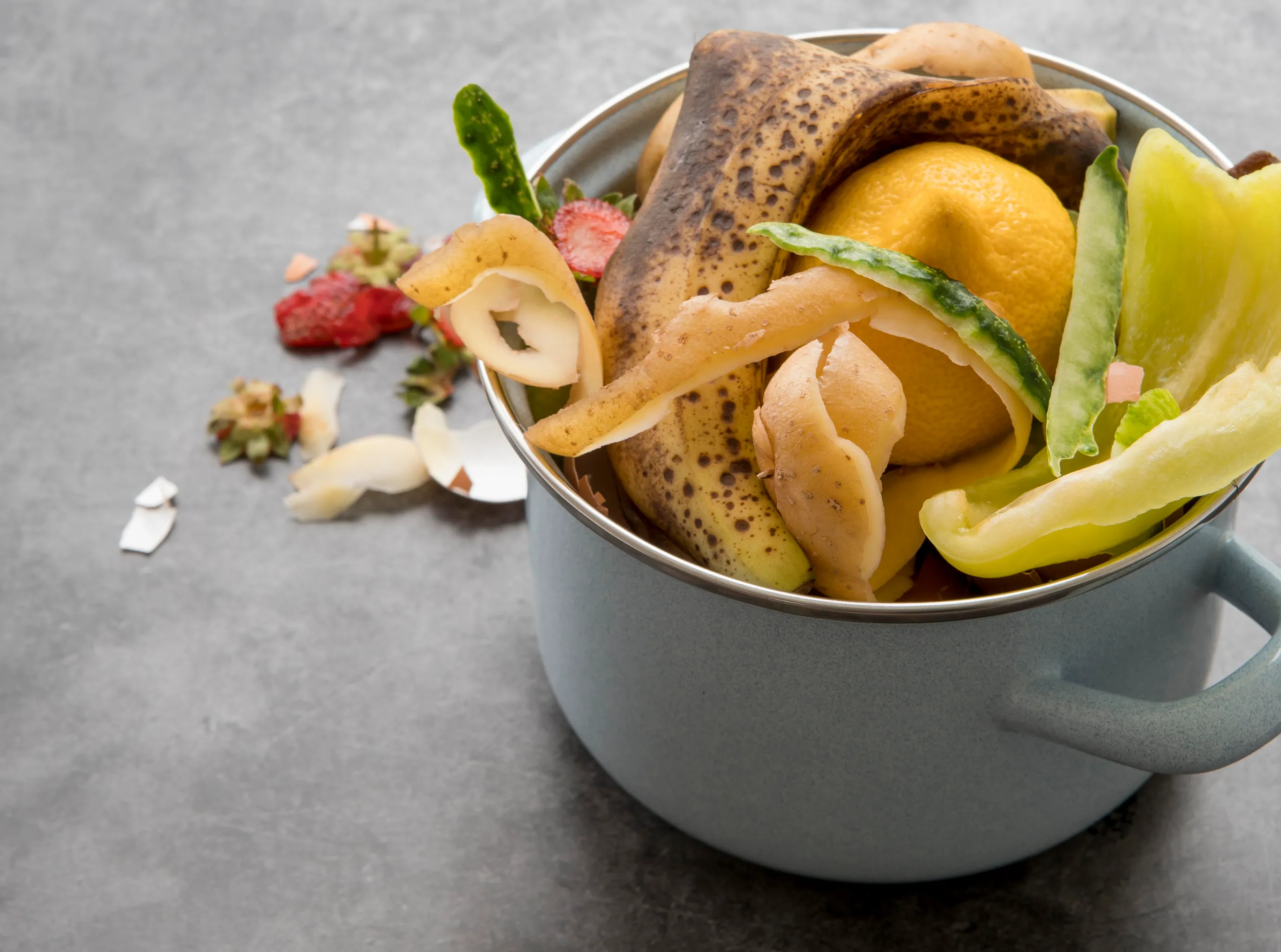
Food waste is one of Europe’s most pressing food system challenges. Every year, the EU generates around 58 million tons of food waste, or 129 kg per person, with an estimated market value of €132 billion. At the same time, 8.5% of the EU population cannot afford a quality meal, including meat, chicken, fish or a vegetarian equivalent, every second day (Eurostat, 2025). The issue is global too: the Food and Agriculture Organization of the United Nations (FAO) estimates that around a third of all food produced for human consumption is lost or wasted, and that about 14% of food is lost between harvest and the retail stage.
Turning Awareness into Action
What can be done?
Preventing and reducing food waste is a shared responsibility, and everyone along the food chain, from farms and factories to shops, restaurants and homes, has a part to play.
Farmers can make a big difference by producing in line with demand and talking to buyers early, so that less food is grown than the market needs. Careful harvesting, gentle handling and good storage and cooling help produce stay fresh for longer, while selling “imperfect” crops through local markets, box schemes or direct sales gives perfectly good food a place on the plate. Any surplus can be donated to food banks and charities or sold to processors for juices, sauces and preserves, and food that can no longer be eaten can become animal feed, compost or biogas (a renewable energy source made from organic waste) instead of ending up in landfills.
Consumers play an equally important part. Planning meals, shopping with a list and storing food properly help us buy and use only what we need. It also helps to understand date labels: “use by” is about safety, while “best before” is about quality, and food is often still fine to eat after that date. Cooking sensible portions, turning leftovers into new meals and freezing food before it spoils can cut waste at home, and composting peels and scraps keeps unavoidable waste out of the bin. Choosing local and “imperfect” produce also helps create demand for food that might otherwise be thrown away.
Relevance to EU FOODPACT
Awareness-raising is closely connected to the objectives of EU FOODPACT and its focus on a more sustainable agrifood sector. By improving knowledge of food systems and their environmental, social, and economic impacts, the project can help encourage more sustainable attitudes and behaviors.
Sharing accessible, engaging content also supports collaboration among project partners and helps communicate important messages across different countries and communities. As the content is translated into partner languages, these messages can reach wider audiences, making sustainable food practices more accessible and relevant to different cultural and local contexts.
Stay connected with EU FOODPACT, explore our awareness-raising content, and join us in making food systems more sustainable — one choice at a time!
Sources
- European Commission. (n.d.). Food waste. Food waste
- Harvest for Change. (n.d.). Transforming food systems from awareness to sustainable action. Transforming food systems from awareness to sustainable action